
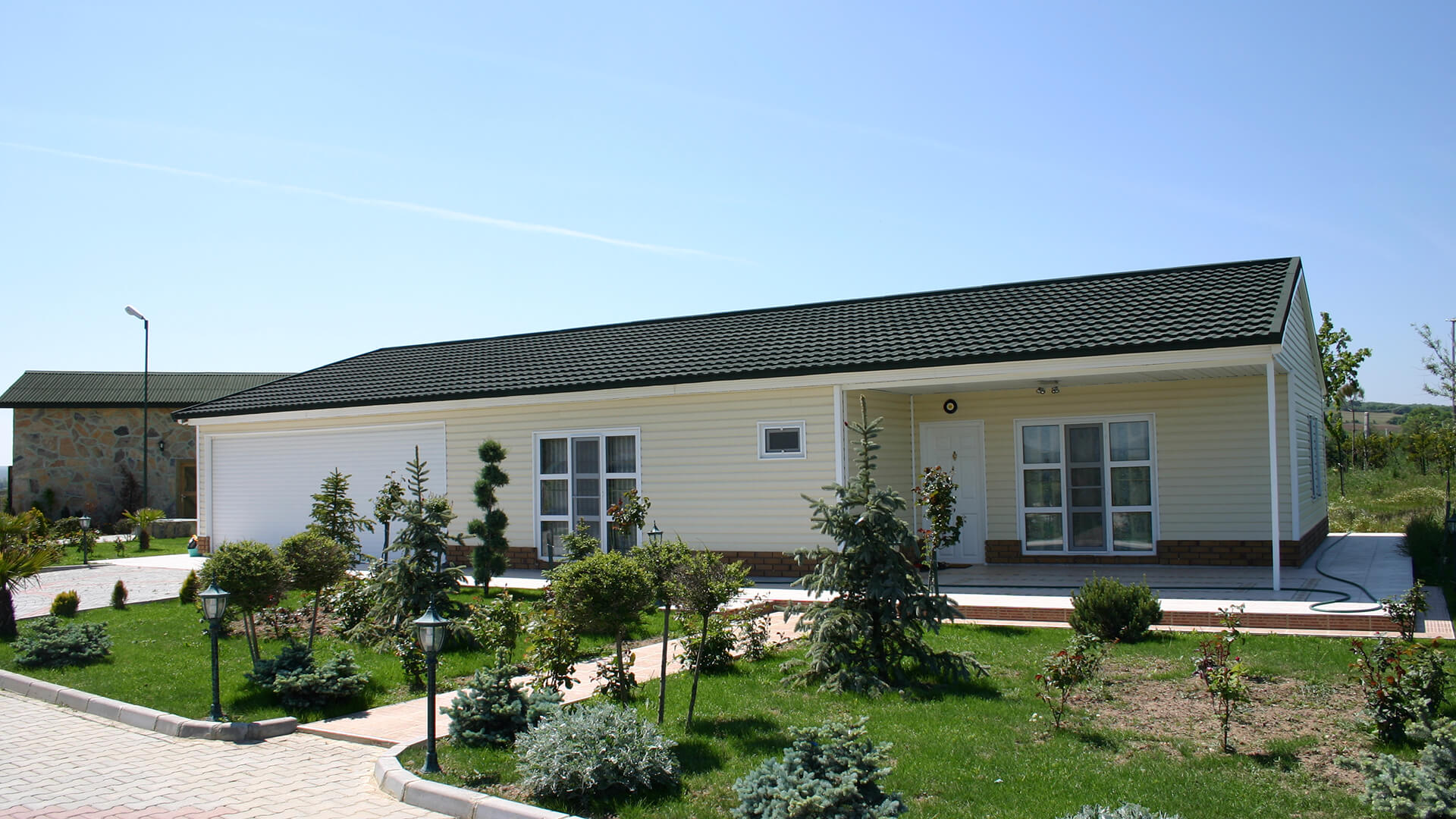
All You Need To Know About Prefab Home Placement
Under prefab home placement, understanding legal, practical and environmental considerations is essential. This article explores where you can site a prefab home, the relevant zoning and permit hurdles, optimal locations, selection strategies, and practical tips.
Where Can You Put A Prefab Home?
When considering possible sites for your prefab dwelling, several options emerge. You might place it on private land you already own, lease a plot from a landowner, join a purpose‑built community, or install on rural or agricultural land (with permission). The infrastructure must support basic utilities (water, sewage, electricity) and access roads must be safe and permitted by local authorities. In many cases, the land must be graded and prepared (levelled, drainage in place) before placing your structure. Inspections, ground surveys, and compliance with building standards often come before installation.
Not every plot is suitable: you must consider soil type, slope, flood risk, access rights, and setbacks from boundaries. For instance, placing a structure too close to a road or boundary may breach local regulations. The local authority may also require that the prefab housing ties into local utilities or adheres to local sewage and waste systems rather than relying on off‑grid solutions.
Is It Legal To Place A Prefab Home On Any Land?
Simply owning or leasing a piece of land doesn’t guarantee legality. Local planning laws, building codes, and prefab home placement regulations influence whether you can install the home. In many jurisdictions, a prefab home is treated much like a traditional building, meaning it requires planning permission, compliance with building and safety standards, and perhaps neighbourhood consultation. For example, in the UK, the local planning authority must approve changes of use, site layout, and access, especially in green belt or protected zones.
If your land is designated for agricultural, forestry, or open countryside use, placing a residential prefab home may not be permitted without a change of use. Even in permitted areas, the structure must comply with foundation, structural stability, insulation, fire safety, and accessibility regulations. Some local councils issue special permits or exceptions for modular or mobile homes, but only after rigorous assessment.
What Are The Zoning And Permit Requirements For Prefab Homes?
Navigating the UK’s planning permission and zoning laws is often the most complex part of building a prefab home. In the UK, zoning typically isn’t referred to as such; instead, land is classified based on its designated use (residential, commercial, agricultural, etc.). If you intend to place a prefab home on a plot, the local planning authority must first verify that the site is designated for residential use. If it isn’t, you’ll need to submit a change-of-use application.
Planning permission is required if the prefab home is intended as a permanent residence. This applies whether it’s on foundations or not. Even mobile or modular units, if they’re lived in long term, fall under this rule. Building regulations approval is a separate but related process and applies to the structure’s insulation, safety, drainage, and accessibility features.
Regulations vary between councils. For instance, some localities are more open to off-grid, sustainable prefab solutions, especially in areas where traditional construction is restricted due to environmental or heritage factors. Others may have height restrictions, maximum floor areas, or aesthetic requirements that prefab homes must meet to maintain neighbourhood character.
You may also need specific environmental assessments such as flood risk evaluations or habitat impact reviews particularly in rural or protected areas. It’s vital to consult with the council early in your planning phase to avoid costly revisions or delays. Failure to comply with prefab home placement regulations can result in fines or mandatory removal of the structure.
Top 5 Locations Where To Put Prefab Houses
Choosing the best site involves more than legal compliance it’s about lifestyle, investment potential, and infrastructure. Here are five optimal locations within the UK context.
1. Private Land Or Personal Property
If you already own land, particularly land designated for residential use, this can be the most straightforward route for prefab home placement. Homeowners often choose to downsize by installing a prefab unit in their garden, either for themselves, extended family, or as a rental. Known as “granny annexes” in the UK, these installations often require planning permission unless they fall under permitted development rules.
Even on your own property, considerations include access, utility connections, and visual impact on neighbouring properties. Urban areas might require more negotiation with local authorities compared to suburban or semi-rural plots. Ownership also grants you more control, especially if you’re planning multiple structures or a self-sufficient, off-grid lifestyle.
2. Rural Areas Or Countryside
Many are drawn to the idea of building a prefab home in tranquil, green surroundings. Rural plots, particularly in counties like Cornwall, Cumbria, or parts of Wales and Scotland, offer breathtaking views and space to spread out. However, countryside placements can come with stricter planning rules due to green belt protections or limitations on residential expansion.
While the land may be cheaper, infrastructure can be more costly. Rural plots may lack mains water or sewerage, meaning investment in boreholes, septic tanks or renewable energy sources. Still, for those seeking privacy, sustainability, or a lifestyle change, rural prefab living can be a dream worth the administrative effort.
3. Coastal Or Vacation Areas
Prefab homes make excellent second properties or holiday lets in coastal towns. From Devon to the Isle of Skye, many buyers are exploring prefab options for holiday rentals or personal retreats. Coastal planning regulations often account for flood risk, erosion, and visual impact, so working with a planning consultant is advised.
Holiday homes are often viewed differently by planning authorities, especially if not used year-round. That said, regulations may require that these structures remain temporary or mobile to comply with local tourism zoning. Prefab homes designed for holiday use are often built to different standards, especially in terms of insulation and heating, so ensure your unit is built to UK seasonal weather specs.
4. Prefab Housing Communities
Increasingly, developers are creating prefab or modular housing communities. These can be ideal for first-time buyers, downsizers, or those seeking communal, sustainable living. Such developments typically come pre-approved with utilities, roads, and local authority permissions.
These communities are growing in areas facing housing shortages such as Greater Manchester, London outskirts, and the Midlands where land availability and affordability push innovation in construction. While buying into a prefab community may cost more than placing a unit on your own land, it offers simplicity, shared resources, and often better access to public services.
5. Temporary Construction Or Work Sites
For temporary use whether as worker accommodation, on-site offices, or interim housing during renovations prefab structures are ideal. They can be rapidly deployed and removed, often without foundations. While temporary uses may require only a minimal permit, you must still notify the local council, especially if the installation lasts more than 28 days.
Sites near construction zones, industrial parks, or infrastructure projects are common locations. Prefab units here are valued for their portability, speed of installation, and adaptability. These setups rarely suit long-term living but are a great solution for project-based or transitional needs.
How To Choose The Right Spot For Your Prefab Home?
Choosing where to place your prefab home is key to comfort, safety, and long-term value. Here are five simple points to guide you:
- Check Land Permissions
Make sure the plot is approved for residential use and meets local planning rules. - Examine Ground Conditions
The soil should be stable and well-drained to support your home safely. - Ensure Utility Access
Confirm connections for water, electricity, and sewage before installation. - Consider Accessibility
The site should have safe, wide roads for delivery and daily access. - Evaluate Environment and Lifestyle
Look for a location with good sunlight, low flood risk, and proximity to key services.
Tips Before Placing A Prefab Home
Before placing your unit, a clear, strategic plan is vital. Start by confirming your land’s zoning classification and whether it supports residential structures. Then, identify all the permits and inspections you’ll need from planning permission to building regulation approvals. Engaging a local architect or planning consultant can simplify this process and reduce the chance of costly mistakes. Remember that compliance doesn’t stop once the structure is delivered: you may be inspected post-installation to ensure the home matches the approved plans.
Next, prepare the land. This includes levelling the surface, ensuring adequate drainage, and possibly laying foundations or support footings depending on your prefab model. Even flat-looking plots might need grading to avoid pooling water or uneven settling. Utility connections should be planned well in advance especially in rural or undeveloped areas where access might not exist or require new installations.