
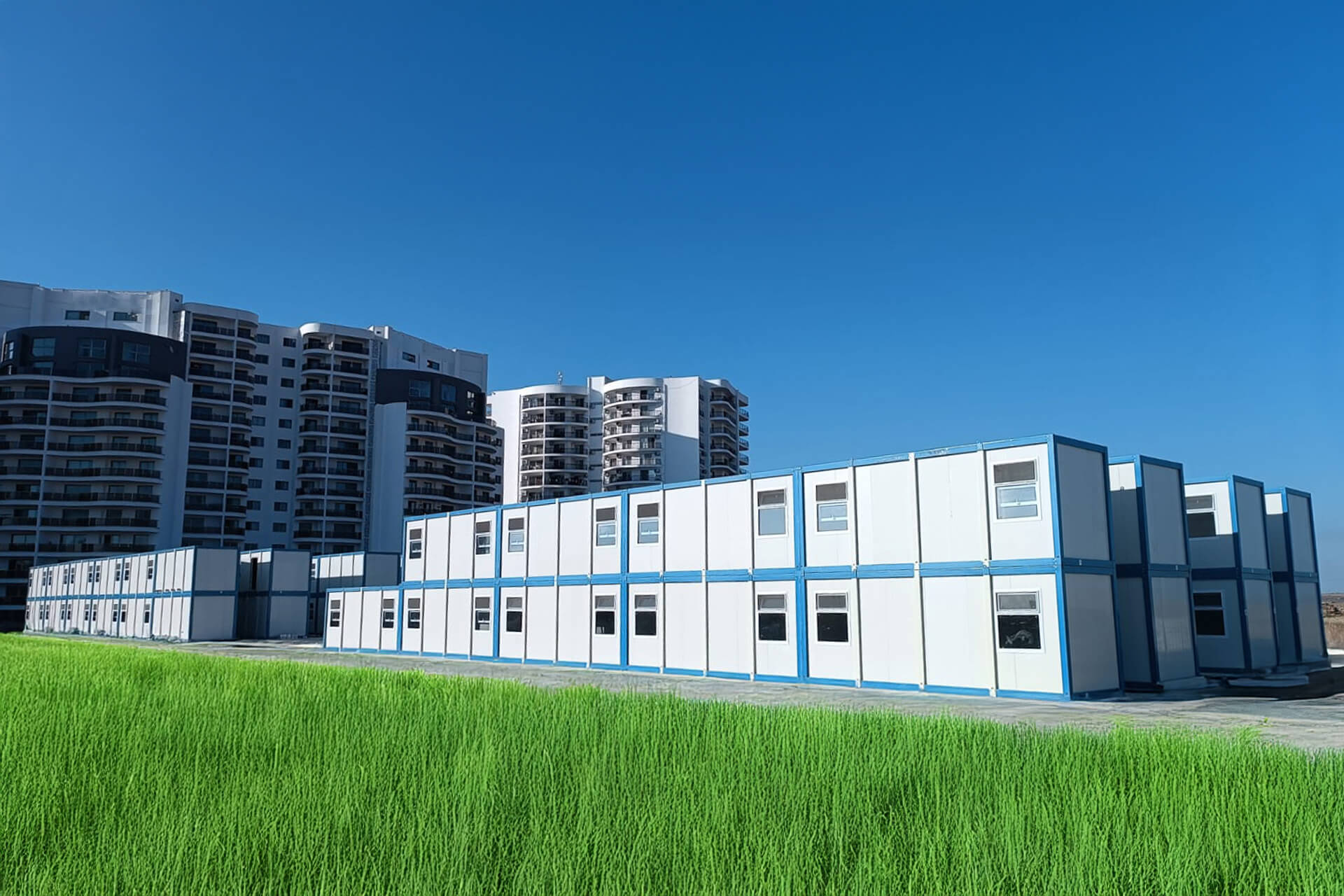
How To Transform A Shipping Container Into A Functional Office Space?
Shipping container office conversion is becoming an increasingly popular trend across the UK for those seeking sustainable, flexible, and cost-effective workspace solutions. With a strong steel structure and modular design, containers can be repurposed into smart, stylish offices for a variety of professional needs from home-based remote work to on-site project management. In this guide, we explore the entire process, from concept to completion, offering practical advice for anyone considering how to convert a shipping container into an office.
How To Convert A Container Into An Office?
Converting a container into an office begins with clear planning and a vision for how the space will be used. The process goes far beyond simply adding a desk and chair inside a metal box. It involves understanding insulation requirements, meeting building regulations, and designing a comfortable environment that promotes productivity.
Whether your office will be stationed in your back garden or used as a temporary workspace on a construction site, there are several things to consider. Access to power, internet, heating, and cooling will all play major roles. Many successful conversions start by consulting an architect or container specialist who can help translate your ideas into a practical layout. Once your design is finalised, the physical modifications can begin, tailored to meet your unique working needs.
What Are The Essential Modifications For A Container Office?
To transform a container into a functional and comfortable office, essential modifications are required. First and foremost is insulation. Metal containers can become extremely hot in summer and freezing in winter, so proper insulation is key. Options include spray foam, fibreglass panels, or eco-friendly alternatives like sheep wool insulation, all of which help regulate temperature and reduce noise.
Ventilation and lighting are also crucial. Windows and doors must be strategically placed to allow for natural light and air flow. Many container offices incorporate double-glazed windows and skylights to create a more open, airy feel. Electricity must be wired safely throughout the structure to power devices, lighting, and heating systems, while plumbing may be required for larger installations with washrooms or kitchenettes.
Another vital consideration is the external finish. While the steel shell is durable, it may require treatment or cladding to improve appearance and protect it from the elements. Adding a pitched roof or timber panels can also help blend the unit into a residential or professional setting, giving your container office a polished and professional look.
Step-By-Step Guide To Converting A Container Into An Office
This section outlines a detailed, sequential process for turning a standard shipping container into a fully operational office space. Each step from choosing the container to final furnishing is designed to help ensure your project is efficient, legal, and tailored to your specific working needs.
Cost And Materials For Building A Container Office
Understanding the financial and material aspects of a container office project is crucial to its success. This section breaks down what to expect in terms of expenses and highlights the importance of selecting high-quality materials.
Step 1: Select The Container Size And Structure
Start by choosing the right container for your project. Standard containers come in various lengths, and the choice will depend on how much space you need. Consider whether you want a high-cube model for added headroom or a double unit for a larger workspace. Inspect the container for rust, dents, and structural integrity to ensure it provides a solid foundation for conversion.
Step 2: Design The Layout And Space Functionality
Next, plan your office layout. Will the space include a private meeting area, open-plan workstations, or storage facilities? Smart design ensures every metre is used effectively. Create zones for different tasks and consider adding multi-use furniture to maximise functionality.
Step 3: Cut Openings For Doors And Windows
Precision is key when cutting into the steel walls for windows and doors. You’ll want to create enough natural light without compromising structural strength. Reinforcements may be required around large openings. Be sure to install high-quality frames and weather-resistant seals to maintain insulation and energy efficiency.
Step 4: Add Insulation, Electrical, And HVAC Systems
After openings are made, it’s time to insulate. Proper insulation improves comfort and reduces energy costs. Next, wire the container for electricity, considering placement for sockets, light switches, and network ports. Heating and cooling systems, whether electric radiators or split-unit air conditioners, should also be installed at this stage.
Step 5: Interior Finishing, Flooring, And Lighting
Interior walls can be finished with plasterboard, timber cladding, or wipeable panels, depending on the look and feel you’re aiming for. For flooring, laminate or vinyl is popular due to its durability and ease of cleaning. Lighting plays a significant role use a combination of overhead lights and task lamps to ensure a bright, comfortable environment.
Step 6: Furnish And Customize Your Container Office
Finally, it’s time to add furniture and personal touches. Compact desks, vertical storage units, and ergonomic chairs help make the most of the available space. Decor elements such as artwork, rugs, and plants bring life to the space and make it feel more like a permanent office rather than a temporary solution.
Container Office Design & Customization Ideas
Creating a unique and inspiring environment within your container office is easier than you might think. Industrial-style designs with exposed metal and neutral tones are popular, especially in urban settings. Alternatively, you could opt for a Scandinavian-style interior with natural wood finishes and clean lines to promote a calm and focused atmosphere.
You might also consider biophilic design principles, integrating greenery and natural light to enhance mental well-being. Adding a small porch, deck, or canopy can extend your workspace outdoors, particularly valuable during the warmer months. Storage is another area where clever design can make a big impact wall-mounted shelves, under-desk drawers, and multifunctional furniture are all space-saving favourites.
Cost And Materials For Building A Container Office
Understanding the financial and material aspects of a container office project is crucial to its success. This section breaks down what to expect in terms of expenses and highlights the importance of selecting high-quality, durable materials suitable for UK climates.
Understanding The Overall Costs Of A Container Office
While we won’t discuss specific figures, the overall cost of a shipping container office conversion depends on size, complexity, and location. Expenses typically fall into categories like the initial container purchase, labour, modifications, permits, and transport. DIY approaches can reduce labour costs, but professional installation often ensures a higher-quality finish and compliance with local regulations.
Sourcing Quality Materials For A Durable Container Office
Durability begins with quality materials. Galvanised steel, marine-grade paint, energy-efficient glazing, and eco-friendly insulation options are all excellent investments. Choosing materials that stand up to UK weather conditions is crucial. Additionally, sourcing from reputable UK-based suppliers helps ensure compliance with building codes and reduces delivery times, streamlining the entire project.
How To Utilize Space Efficiently In A Small Container Office
Working within limited dimensions requires clever spatial planning. Fold-out desks, modular seating, and wall-mounted monitors are just a few ways to make the most of a smaller footprint. Vertical storage is invaluable thing tall shelving units, pegboards, and ceiling-hung lighting to free up floor space.
You can also improve the perception of space with smart design tricks. Use mirrors to reflect light, keep the colour palette bright and neutral, and avoid bulky furniture. Open-plan layouts often feel more spacious than partitioned designs, and transparent materials like glass dividers can maintain privacy without closing off the room.
Why Choose Prefabrik Yapı for Your Container Office Project?
When it comes to container office conversions, selecting a reliable partner is crucial. Prefabrik Yapı offers years of expertise in modular construction, combining engineering excellence with creative design. Their team understands both the technical and aesthetic elements required to deliver a practical and inspiring workspace.
From initial planning and permissions to final installation and finishing, Prefabrik Yapı supports clients every step of the way. Their commitment to quality, sustainability, and customer satisfaction makes them a trusted choice for professionals looking to create a modern container-based office environment. With solutions tailored to individual needs, they help turn innovative ideas into fully functional realities.